
5M of geriatric care
A holistic framework used in geriatric care: Matters Most, Mobility; mind; medication; multimorbidity.
Family
Considered as wider social networks around the older person. This can be close relatives, but also friends, neighbours and community connections.
Home
Considered as a space, not a place.
Interdependency
Considered as a state of interconnection with others, based on connectedness, mutuality and reciprocity.
Parallel planning
Considered as the possibility of multiple different outcomes.
Watchful waiting
Considered as an approach to care that engages assessment over time, but does not always require changes to intervention.
Introducing
The Atlas
For people working in community and primary care, involved in supporting older people living with frailty later in life.
Our work has evidenced the centrality of integrated care. Wherever we work, we are situated within a care system of many parts. Understanding how different parts of the care system interact can help us navigate the wider system more effectively.
The Atlas is designed to:

Help us see the bigger picture required for supporting older people living with frailty in the last phase of life.
Expand our knowledge, additional copy potentially to appear hear…
The Central Map
Your guide to navigating The Atlas.
The Central map includes five integrated levels of influence across the care system, which are involved in supporting older people living with severe frailty later in life.

Overarching principles of The Atlas
The Atlas is based on three overarching principles of care: Age attuned care, Person-centred care, and Rehabilitative palliative care.
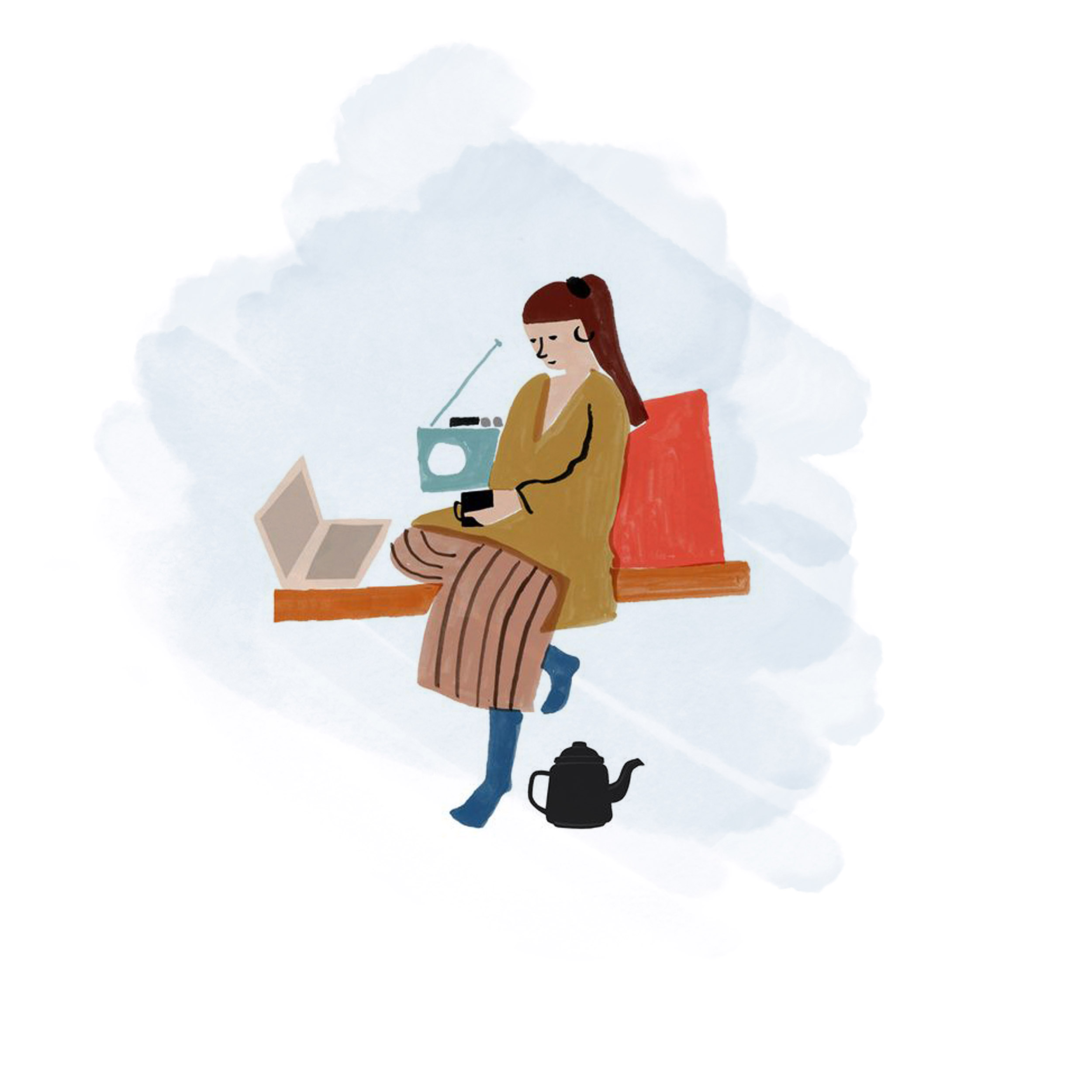
Age attuned care
- Older people living with severe frailty have experiences and achievements gained throughout their lives.
- Dual focus enabling people to live and die well in older age, taking into account both vulnerabilities and strengths.
- Involves partnerships with specialist multi-disciplinary older adult services
- Involves a specific attention given to the value and voice, as well as the needs of those living in older age
- Do we use severe – Need to be consistent throughout
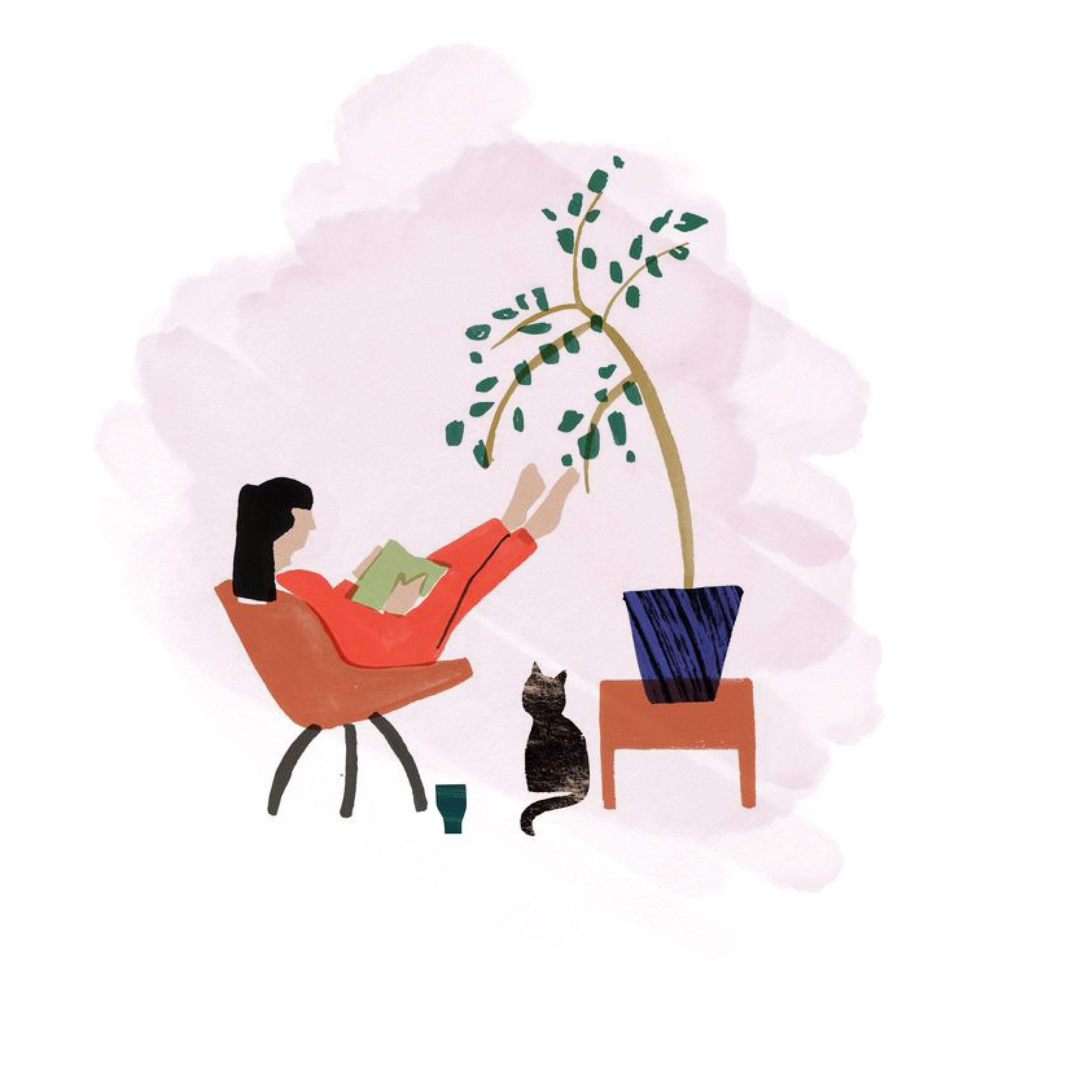
Person-centred care
- Older people living with severe frailty have diverse and individual needs.
- The family is crucial to delivering effective and personalised support and care.
- Leads to older people and their families feeling confident that they are centre stage in decisions about their care.
- Older people living with severe frailty have diverse and individual needs.
- The family is crucial to delivering effective and personalised support and care.
- Leads to older people and their families feeling confident that they are centre stage in decisions about their care.
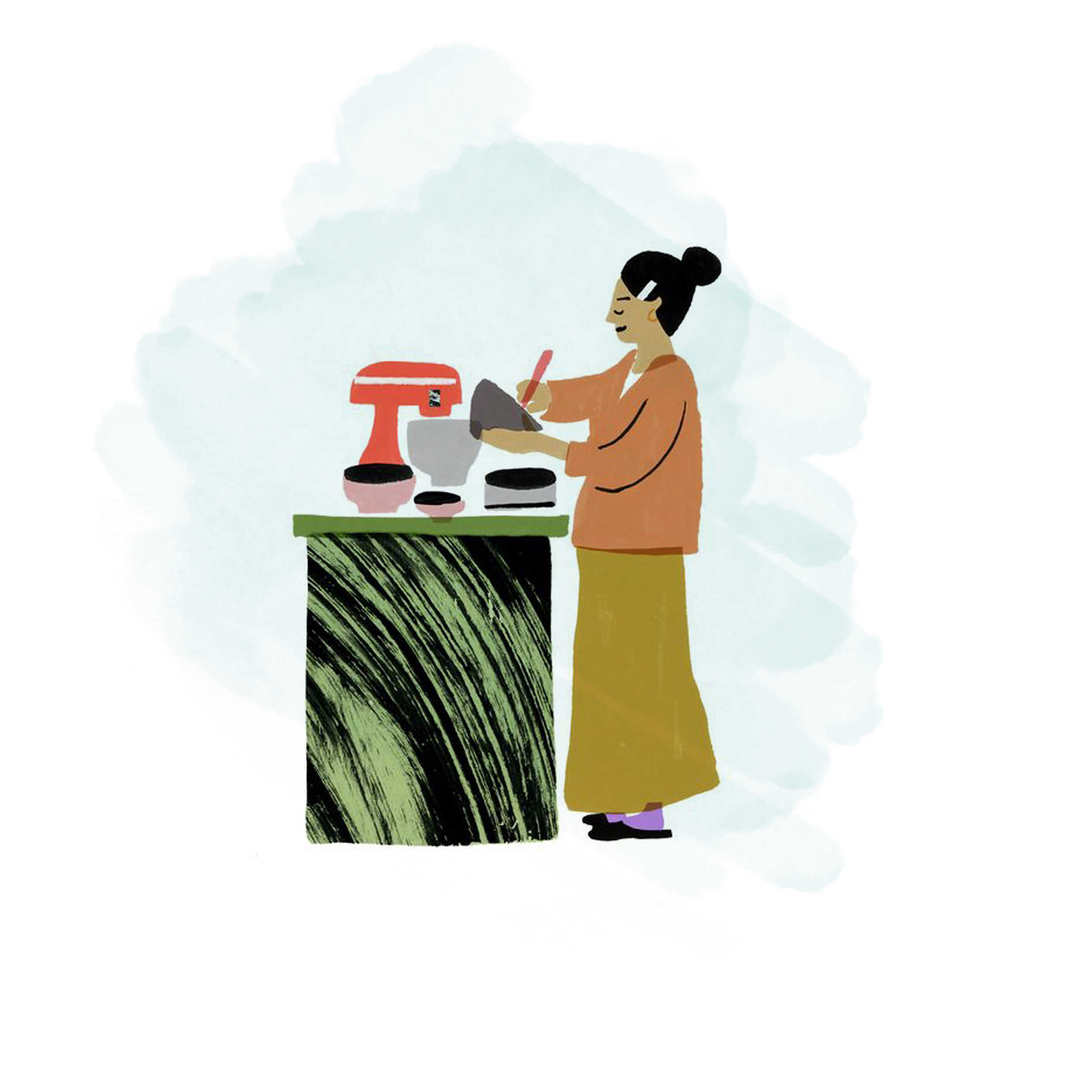
Rehabilitative palliative care
- Older people living with severe frailty have diverse and individual needs.
- The family is crucial to delivering effective and personalised support and care.
- Leads to older people and their families feeling confident that they are centre stage in decisions about their care.
- Older people living with severe frailty have diverse and individual needs.
- The family is crucial to delivering effective and personalised support and care.
- Leads to older people and their families feeling confident that they are centre stage in decisions about their care.