
5M of geriatric care
A holistic framework used in geriatric care: Mind, Mobility, Medication, Multicomplexity, Matters Most.
Advancing Frailty
Used to refer to older people whose frailty has progressed to a moderate or severe stage.
Compassionate communities
Defined as communities that actively work together to provide social, emotional and practical support.
Family
Defined as a wider social network around the older person. This can be close relatives, but also friends, neighbours and community connections.
Home
Defined as a space, not a place.
Interdependency
Defined as a state of interconnection with others, based on connectedness, mutuality and reciprocity.
Parallel planning
Defined as the possibility of multiple different outcomes.
Watchful waiting
Defined as an approach to care that engages assessment over time, but does not always require changes to intervention.
Introducing:
The Atlas
For people working in community and primary care involved in supporting older people living with frailty later in life.
A system-wide response
Understanding how different parts of the care system interact can help us navigate the wider system and better support older people.
The Atlas is designed to:
Help us see the bigger picture for supporting older people living with frailty in the last phase of life.

To expand knowledge and link to relevant resources and people.
The Central Map
The Central Map is your guide to navigating The Atlas
The Central map includes five integrated levels of influence across the care system that support older people living with severe frailty later in life.
Click the map to view each level.

Overarching principles of The Atlas
The Atlas is based on three overarching principles of care: Age-attuned care, Person-centred care, and Rehabilitative palliative care.
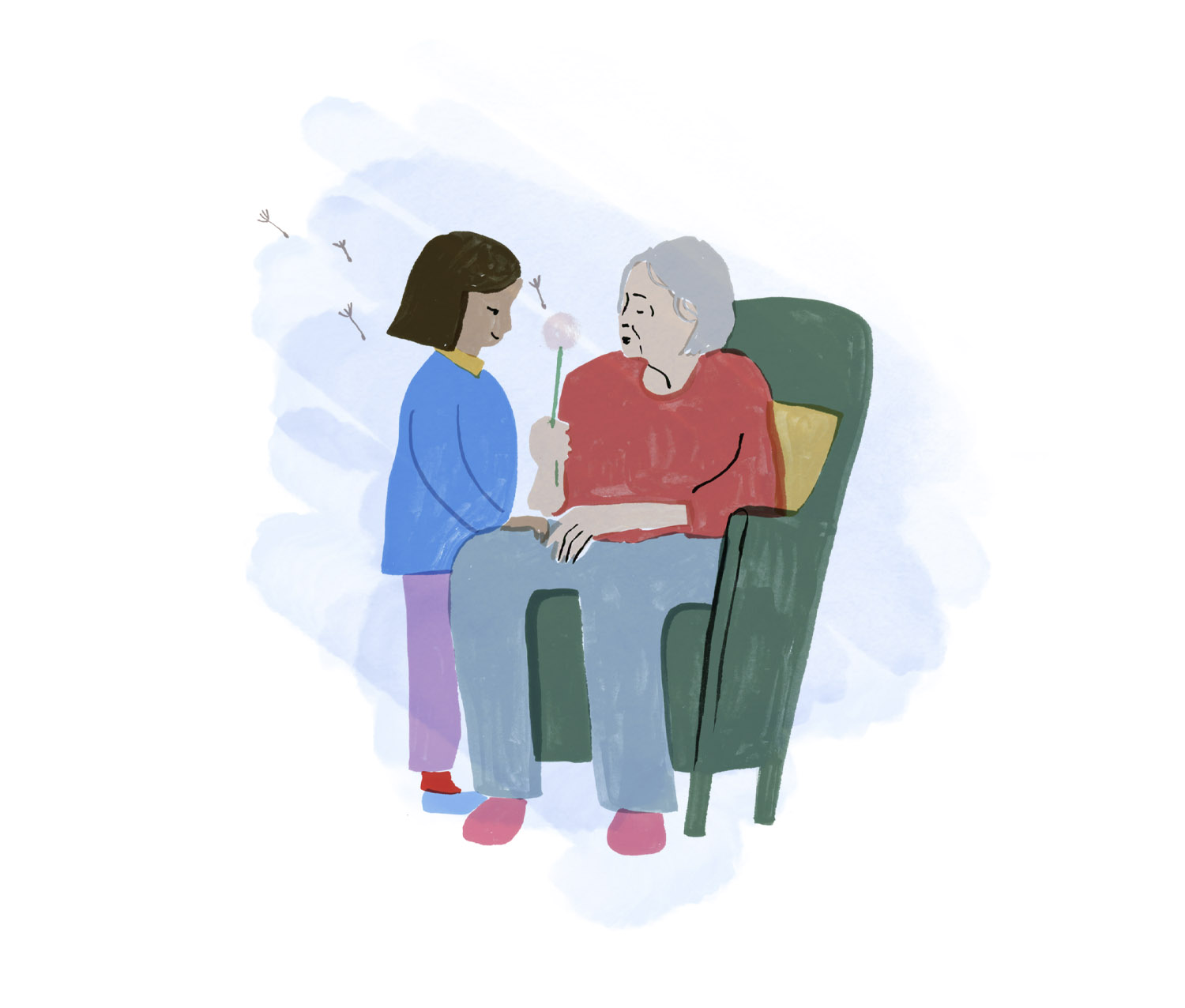
Age-attuned care
- Older people living with severe frailty have experiences and achievements gained throughout their lives.
- Enabling people to live and die well in older age, taking into account both vulnerabilities and strengths.
- Involves partnerships with specialist multi-disciplinary older adult services.
- Involves a specific attention given to the value and voice, as well as the needs of those living in older age.
- Older people living with severe frailty have experiences and achievements over lives long-lived. These can be overlooked when we only see a person’s physical frailty.
- Older people living into later life experience loss (physical, social and spiritual). Acknowledgement of this can enable practical and emotional support to the person in the work of mourning.
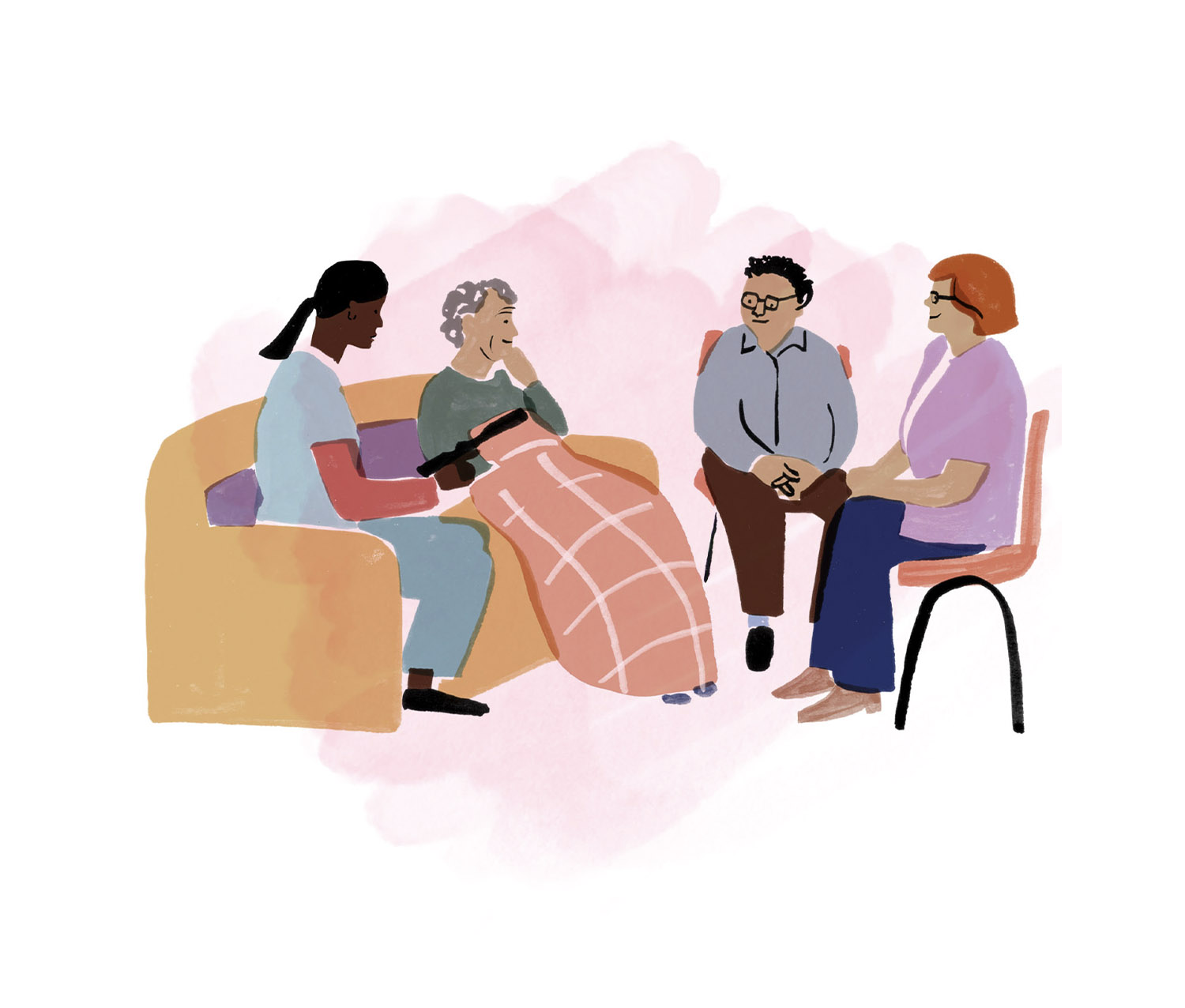
Person-centred care
- Involves providing holistic, personalised, tailored care which is routinely revisited.
- Involves empowering and enabling shared decision-making.
- Involves a commitment to getting to know the older person and the wider family of support.
- Older people living with severe frailty have diverse and individual needs.
- The family is crucial to delivering effective and personalised support and care.
- Leads older people and their families to feel confident that they are centre stage in decisions about their care.
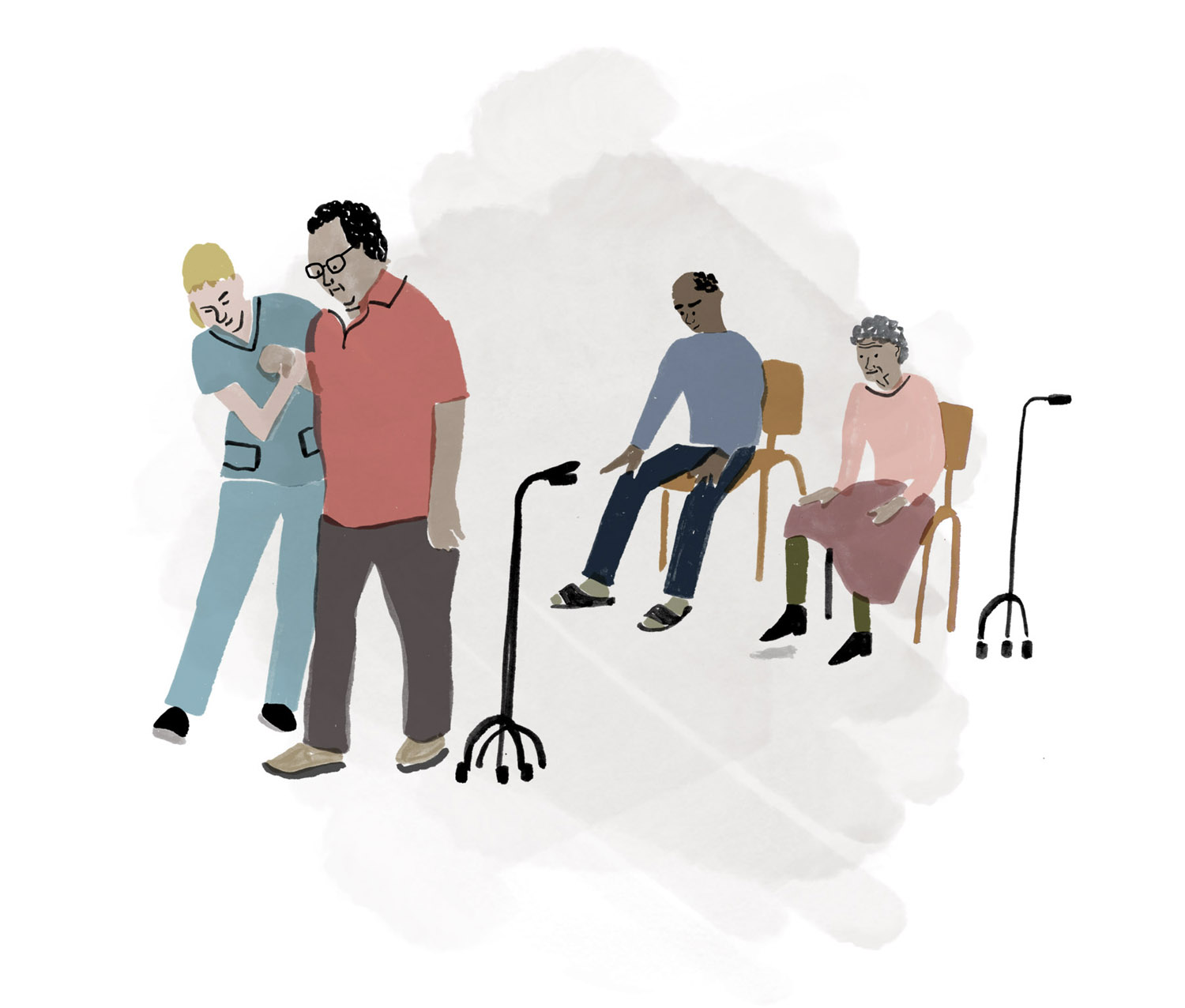
Rehabilitative palliative care
- Involves an intentional effort to support participation in meaningful activities.
- Involves constructive support to help people cope with uncertainty in health.
- Older people living with severe frailty value living as well as possible, whatever stage of their illness.