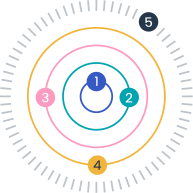
Frailty identification and assessment
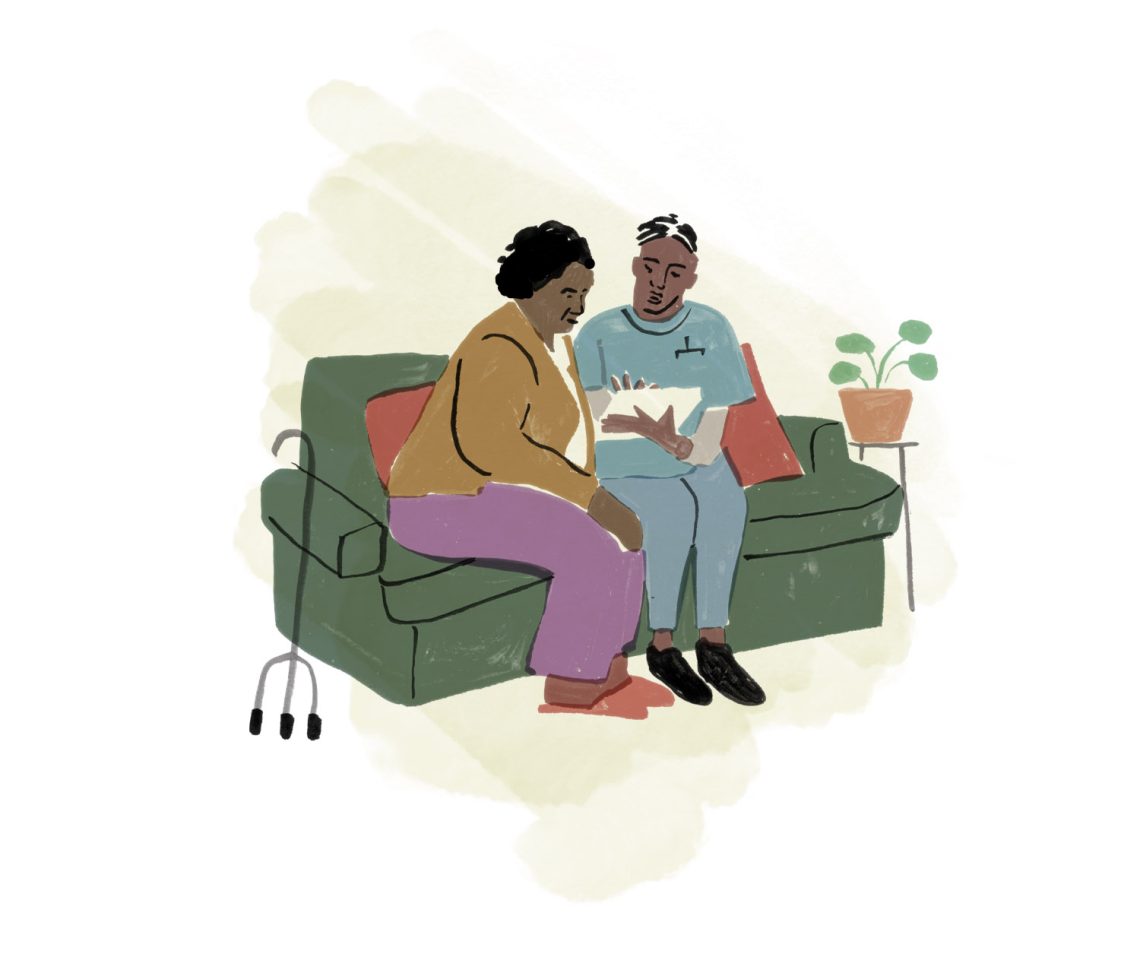
Supporting older people living with frailty requires early intervention and personalised care

A holistic framework used in geriatric care: Mind, Mobility, Medication, Multicomplexity, Matters Most.
Used to refer to older people whose frailty has progressed to a moderate or severe stage.
Defined as communities that actively work together to provide social, emotional and practical support.
Defined as a wider social network around the older person. This can be close relatives, but also friends, neighbours and community connections.
Defined as a space, not a place.
Defined as a state of interconnection with others, based on connectedness, mutuality and reciprocity.
Defined as the possibility of multiple different outcomes.
Defined as an approach to care that engages assessment over time, but does not always require changes to intervention.

Supporting older people living with frailty requires engagement in conversations about values, preferences and goals of care
National Resources and guidelines
Supporting older people living with frailty requires early intervention and personalised care
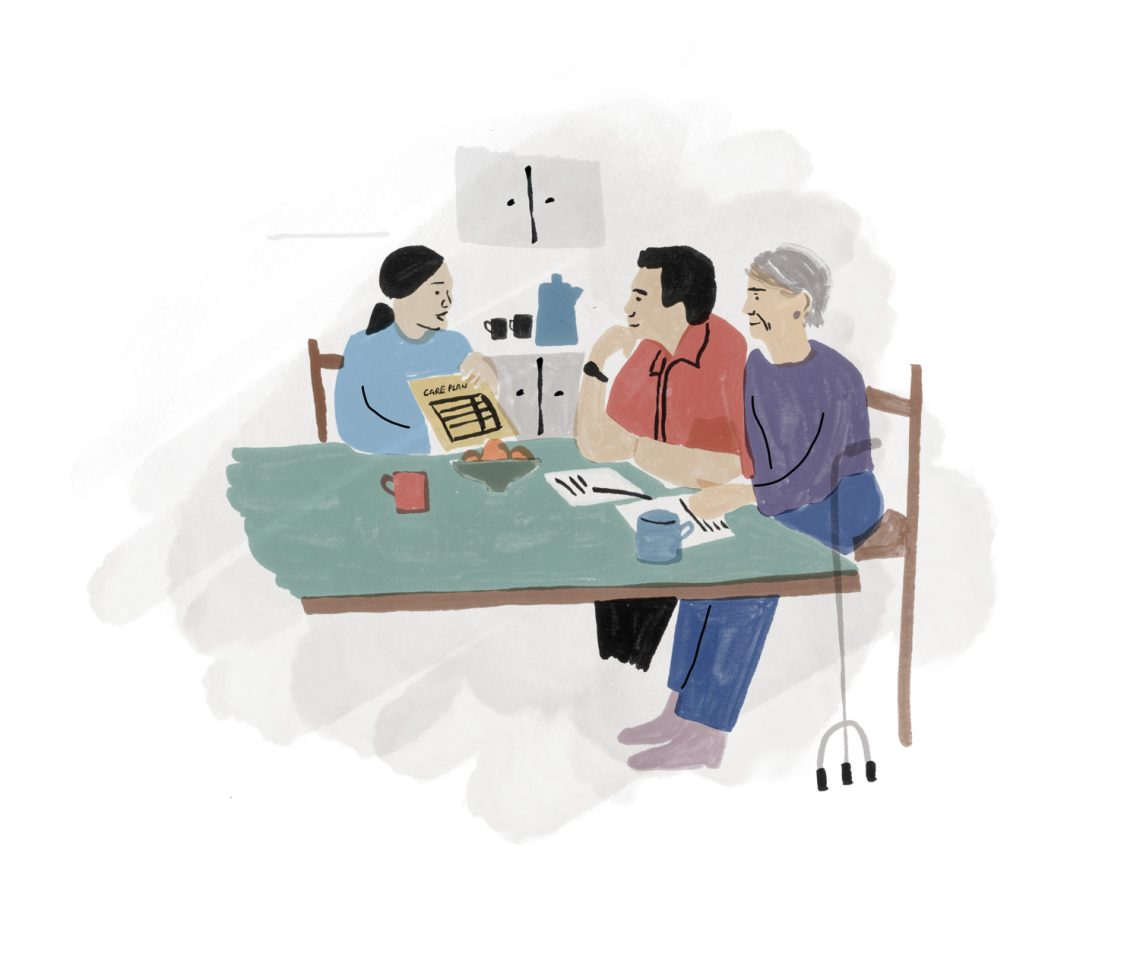
Supporting older people living with frailty requires being able to identify, hold and respond to fluctuating needs
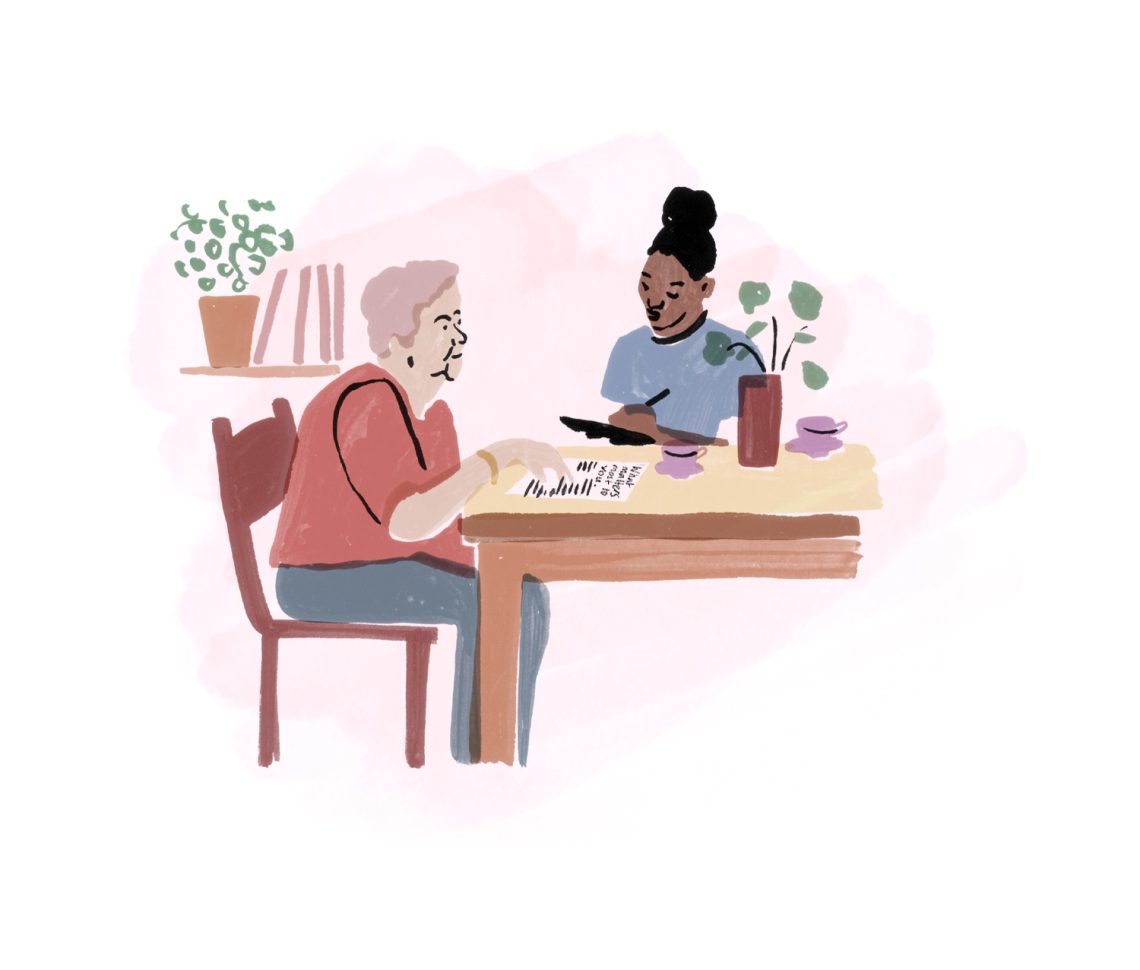
Supporting older people living with frailty requires engagement in conversations about values, preferences and goals of care
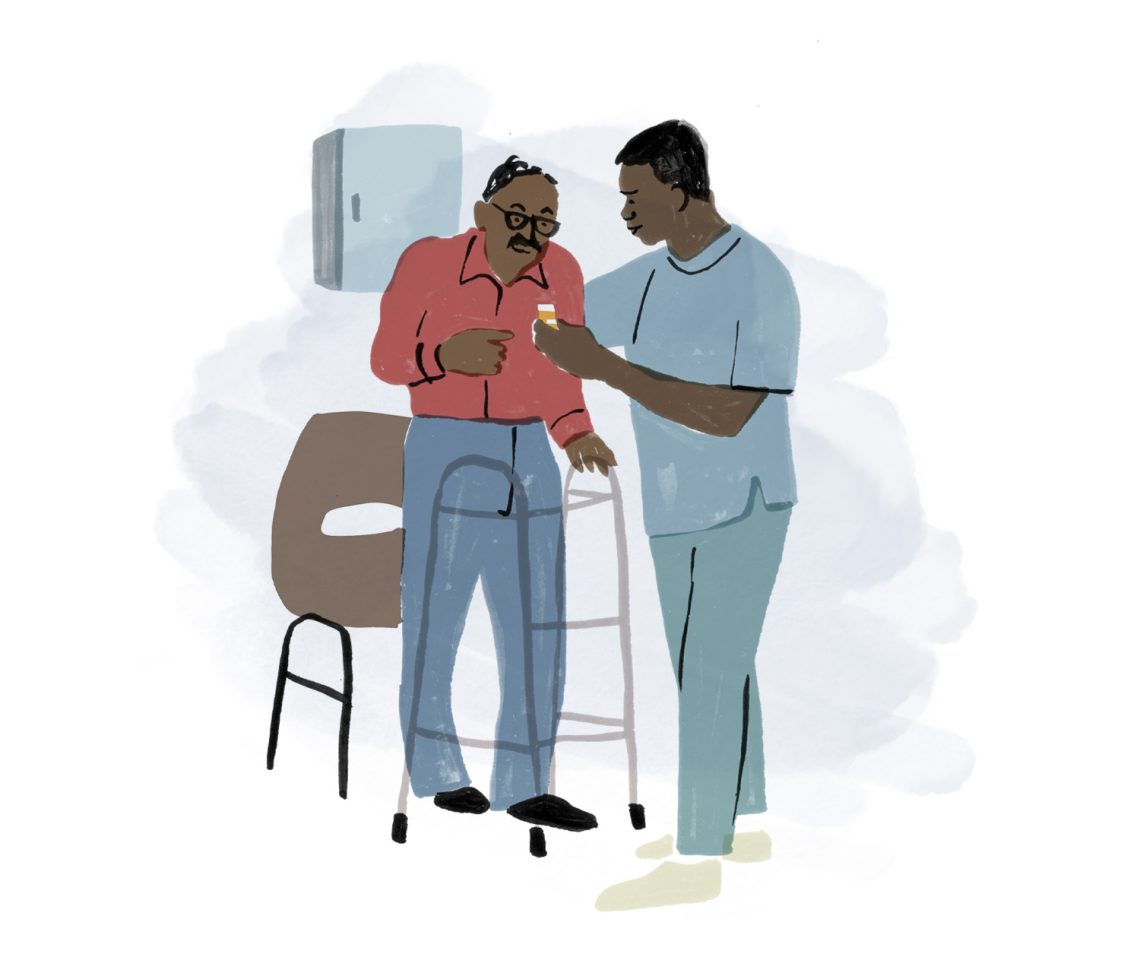
Supporting older people living with frailty requires the consideration of the multidimensional needs of the individual
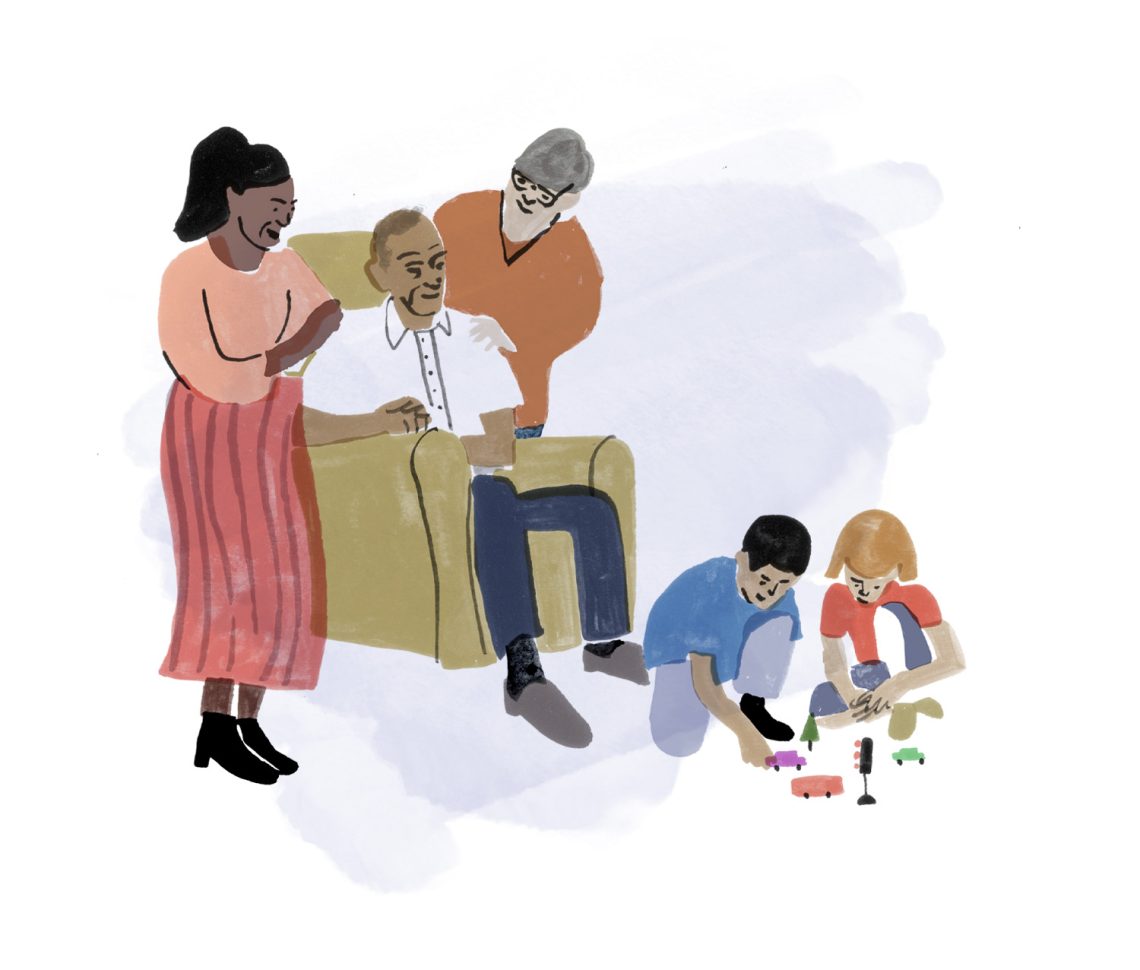
Supporting older people living with frailty requires the consideration of the family and wider social networks around the older person